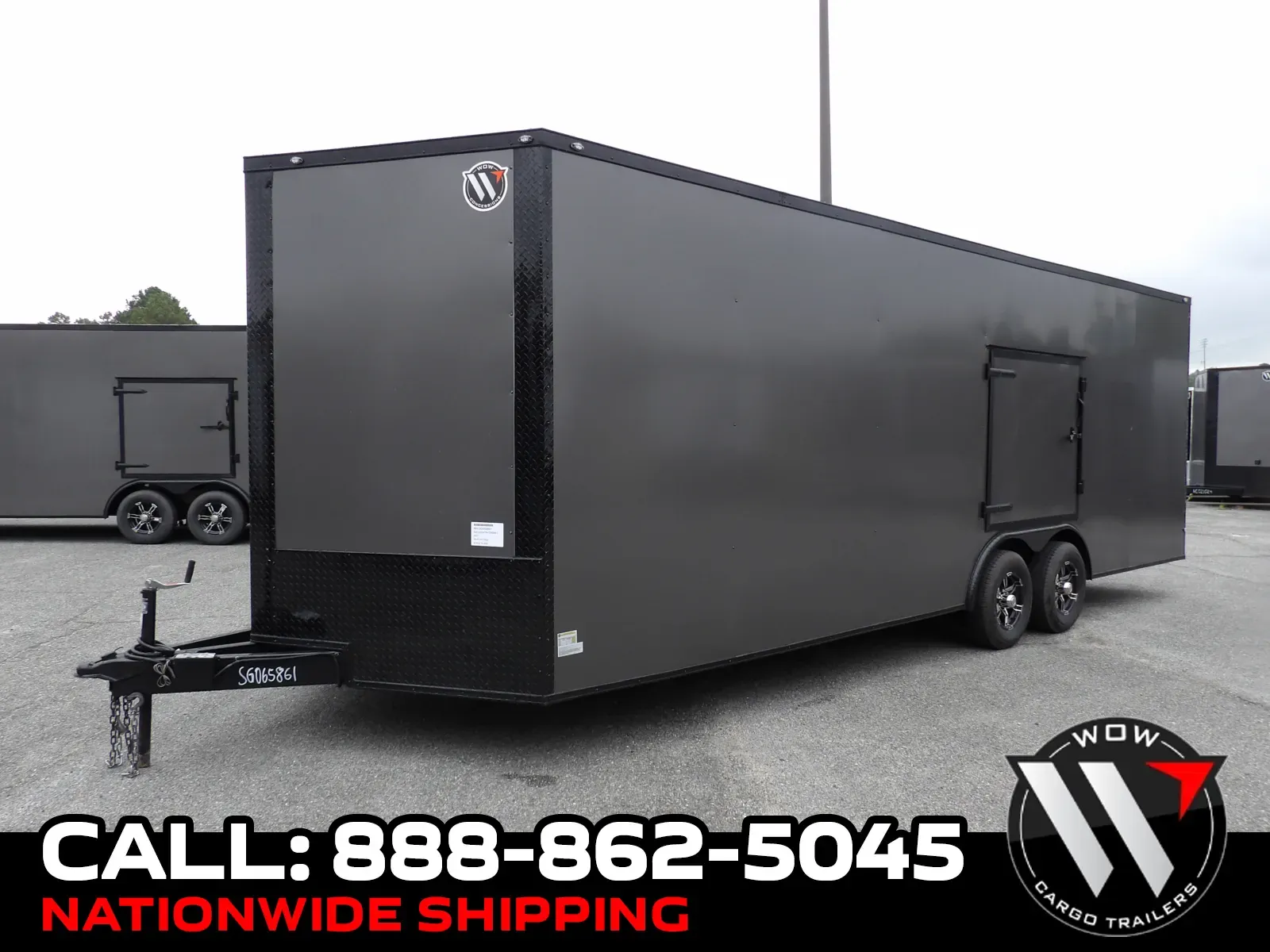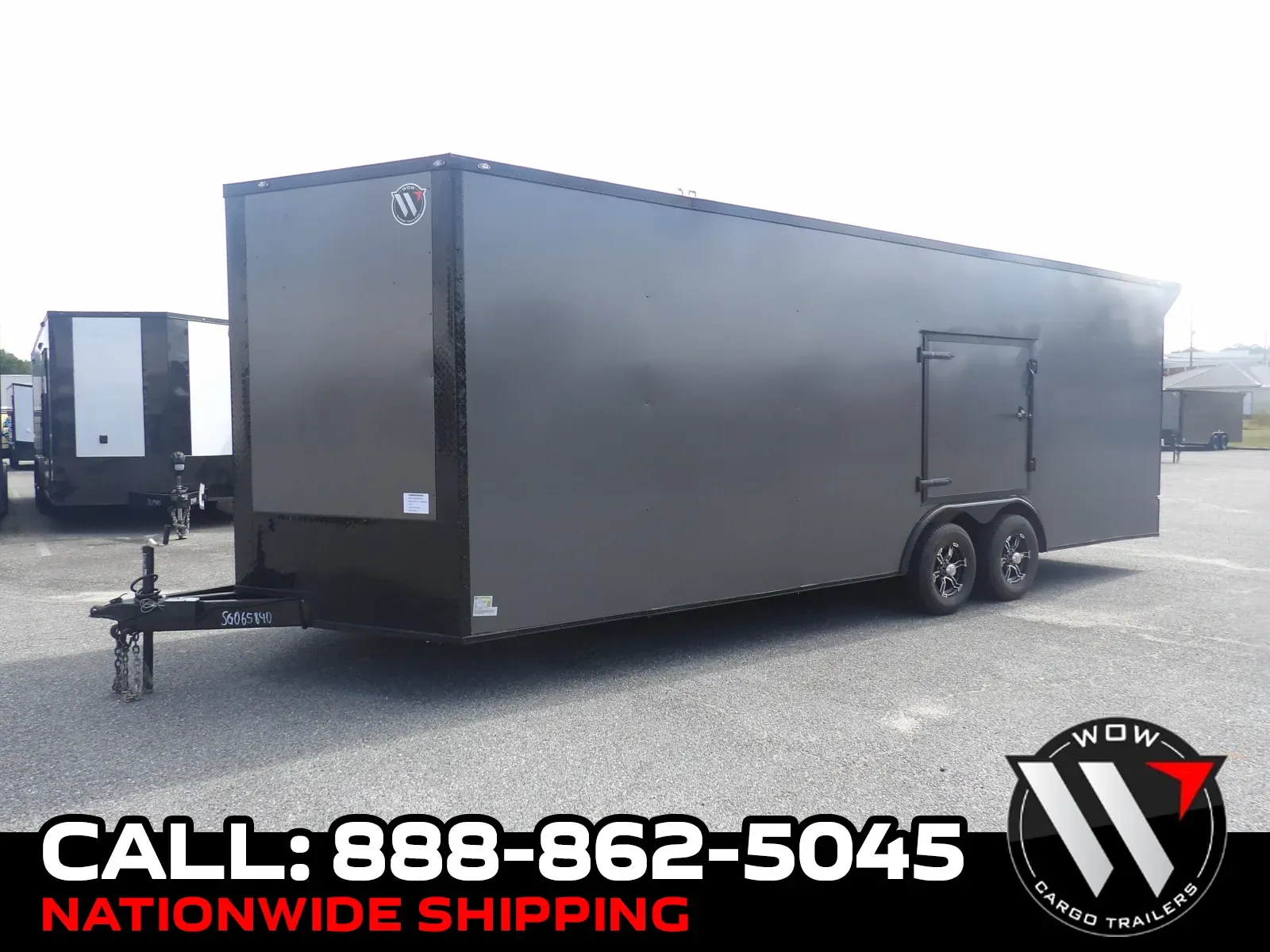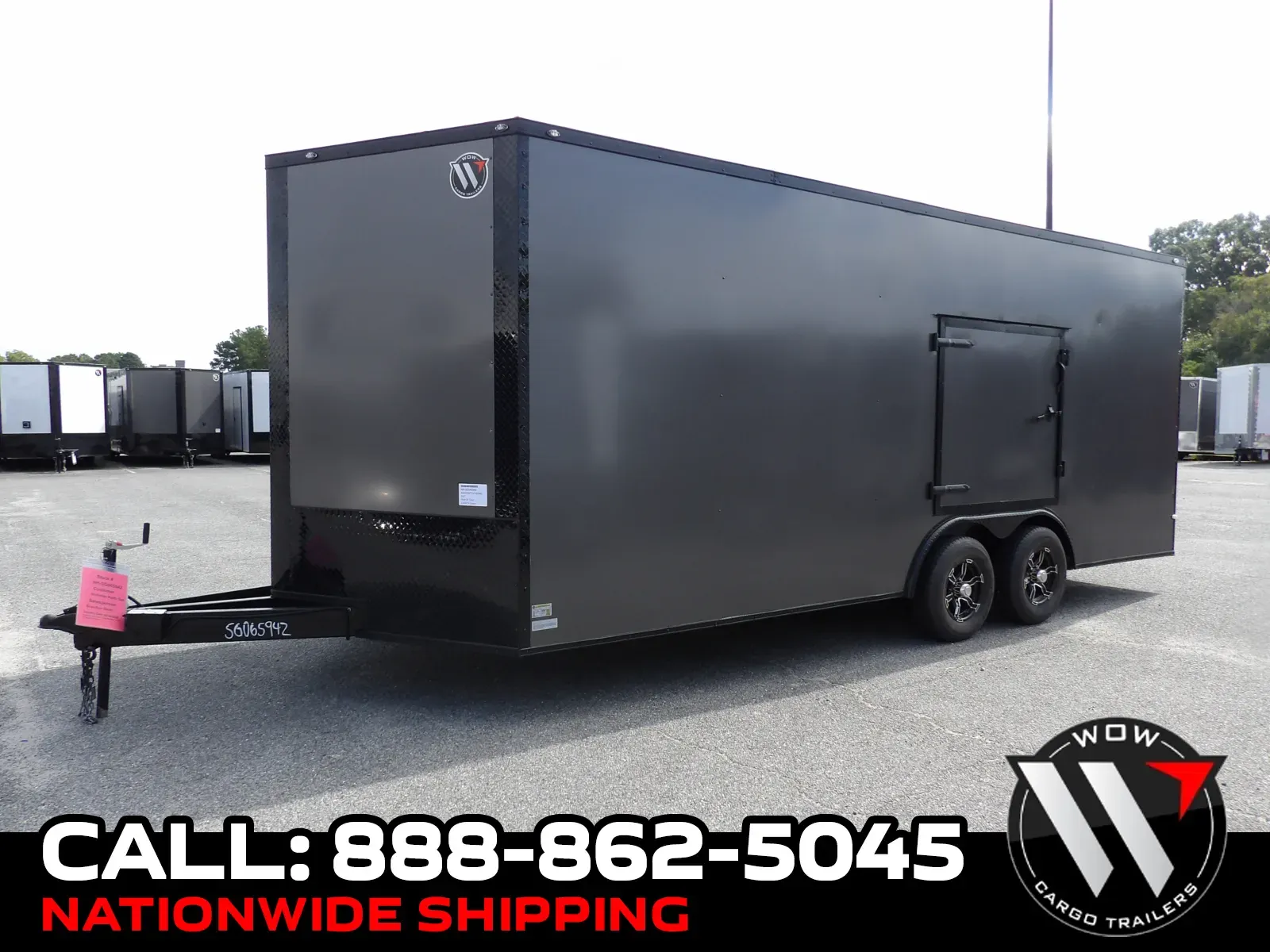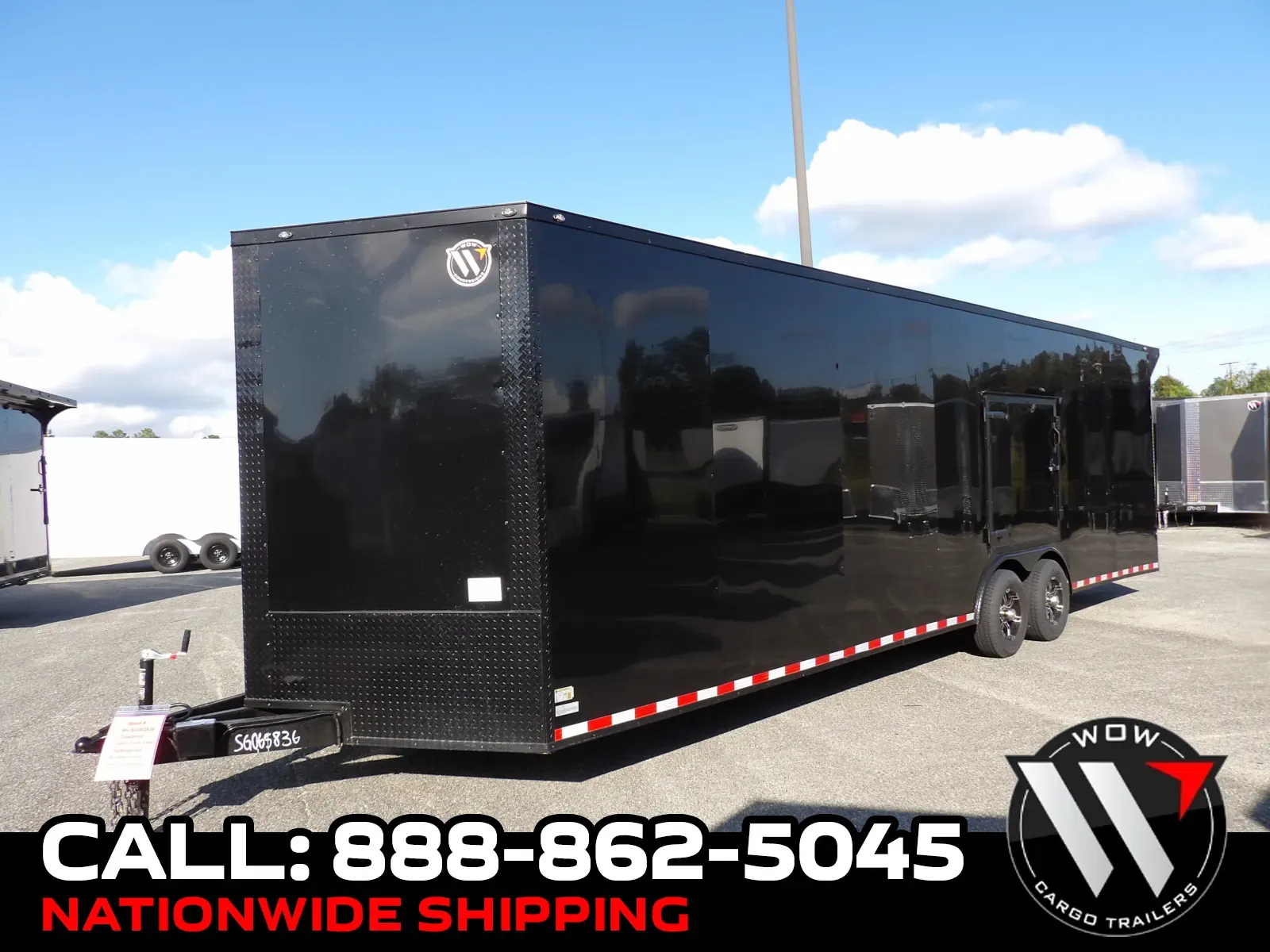
Cargo Trailer Towing Capacity Calculator + Hitch Class Guide near Raleigh, North Carolina at WOW Cargo Trailers
Cargo Trailer Towing Capacity Calculator + Hitch Class Guide near Raleigh, North Carolina at WOW Cargo Trailers
The Triangle's road network is expanding faster than almost any metro in the Southeast. I-540's Triangle Expressway, connecting Cary and Apex in the west to Wake Forest and Knightdale in the east, carries increasing commercial traffic as outer suburbs build out. I-40 ties Chapel Hill, Durham, and Raleigh together across one of North Carolina's most congested corridors. The daily reality of hauling between Morrisville tech campuses, Garner job sites, and Durham commercial developments means improperly matched trailer and tow vehicle combinations are a real safety risk. This guide gives Raleigh and Triangle buyers the framework to calculate trailer towing capacity correctly and select the right hitch class.
👉 Browse All Cargo Trailers at WOW Cargo Trailers
Key Terms Every Raleigh-Area Trailer Buyer Must Know
- GVWR (Gross Vehicle Weight Rating): The maximum total weight of your trailer fully loaded — cargo plus the trailer's own weight. Stamped on the VIN plate, GVWR is the definitive number for hitch class selection and tow vehicle compatibility.
- GTW (Gross Trailer Weight): The actual total weight of your trailer on a given haul. GTW must never exceed your trailer's GVWR or your tow vehicle's rated trailer towing capacity.
- Tongue Weight: The downward force the trailer coupler places on your hitch ball — 10–15% of GTW. Insufficient tongue weight causes trailer sway on I-40, I-540, and US-1 through Wake County; too much overloads your rear axle and degrades steering on the Triangle's busiest corridors.
- Cargo trailer weight (dry/curb weight): The trailer's own weight before loading. Subtract from GVWR to find maximum cargo payload for a given trailer.
- Tow vehicle's rated towing capacity: Your manufacturer's maximum towing figure for your specific vehicle — in your owner's manual. Two identical-looking trucks can differ by thousands of pounds based on engine and factory package.
- Payload capacity: Your tow vehicle's total load including passengers, cargo, and tongue weight combined. Overloading payload — not just towing capacity — degrades braking and handling on the Triangle's heavily traveled I-40 and I-440.
How to Calculate If Your Towing Setup Is Safe
- Find your tow vehicle's rated towing capacity. Open your owner's manual and verify specifications for your exact engine and package combination — not general model estimates. Ratings vary significantly by configuration even within the same model year.
- Determine your cargo trailer weight when loaded. Add the trailer's dry weight (listed on the VIN plate) to your estimated cargo weight. This is your GTW for that haul.
- Apply the 80% rule. Keep GTW at or below 80% of your tow vehicle's rated towing capacity. A truck rated at 9,500 lbs should ideally tow no more than 7,600 lbs — North Carolina's summer heat stresses cooling systems on longer I-540 hauls between Apex and Wake Forest, and stop-and-go traffic on I-40 between Chapel Hill, Durham, and Raleigh significantly increases braking demand.
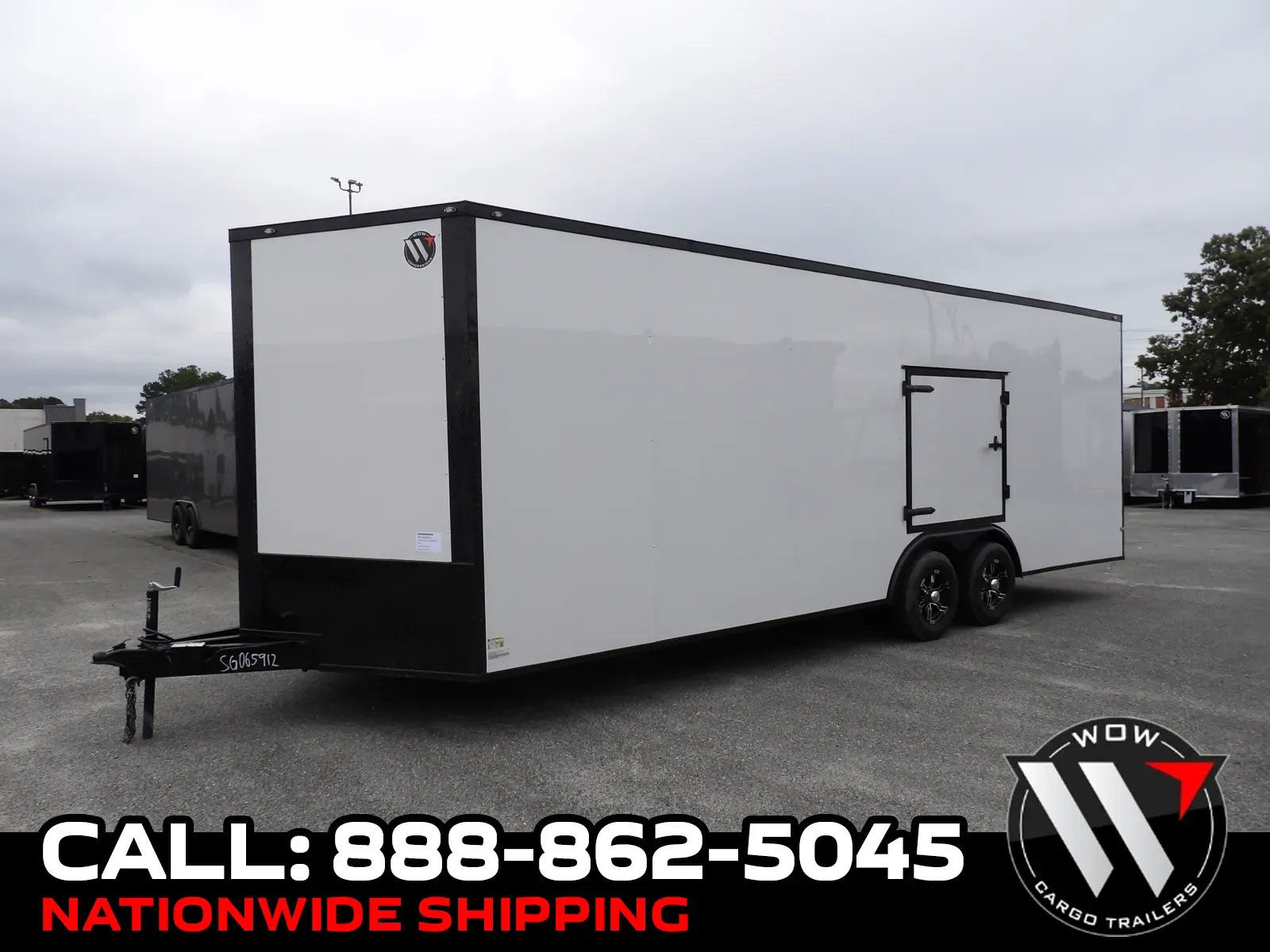
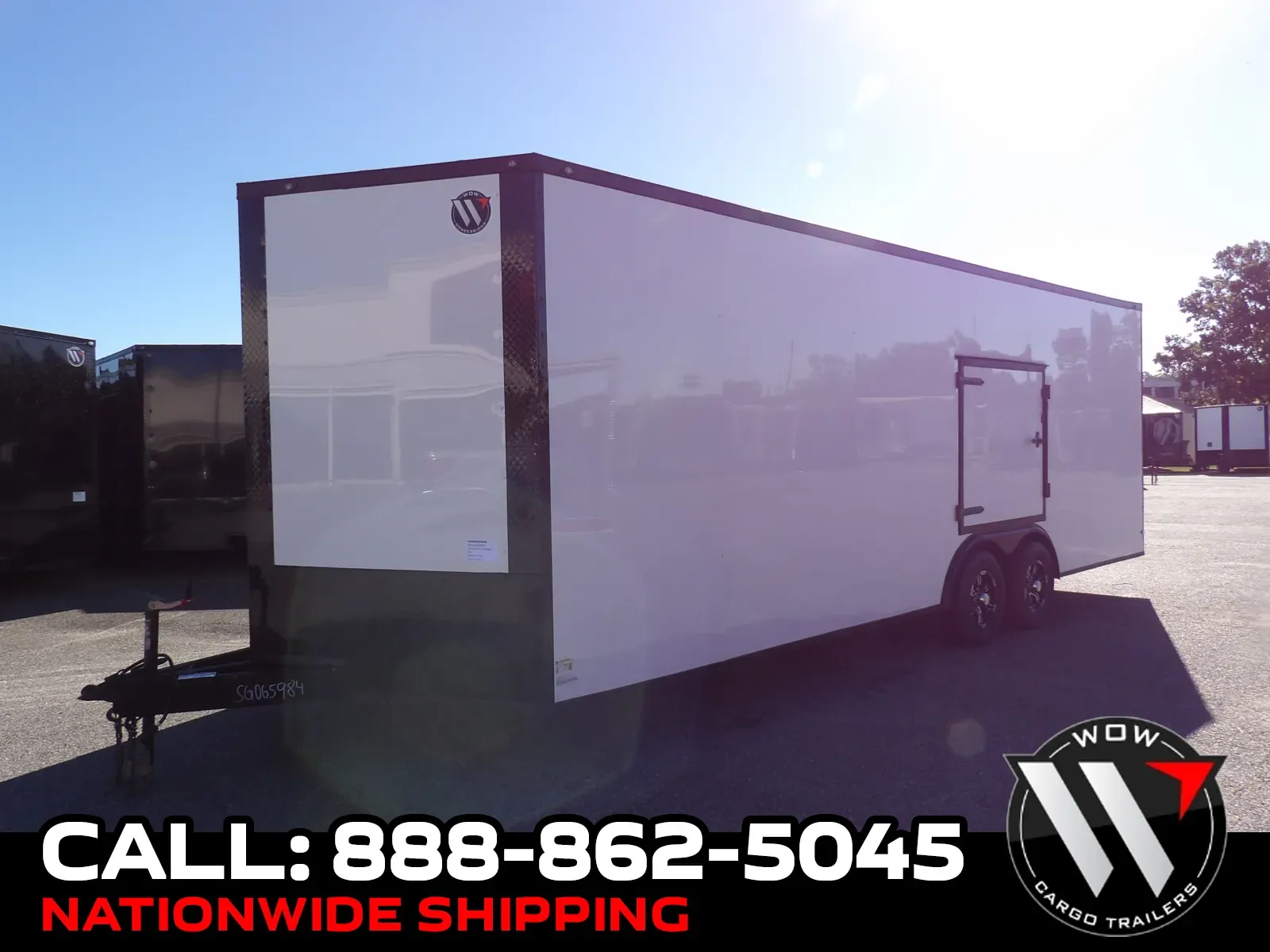
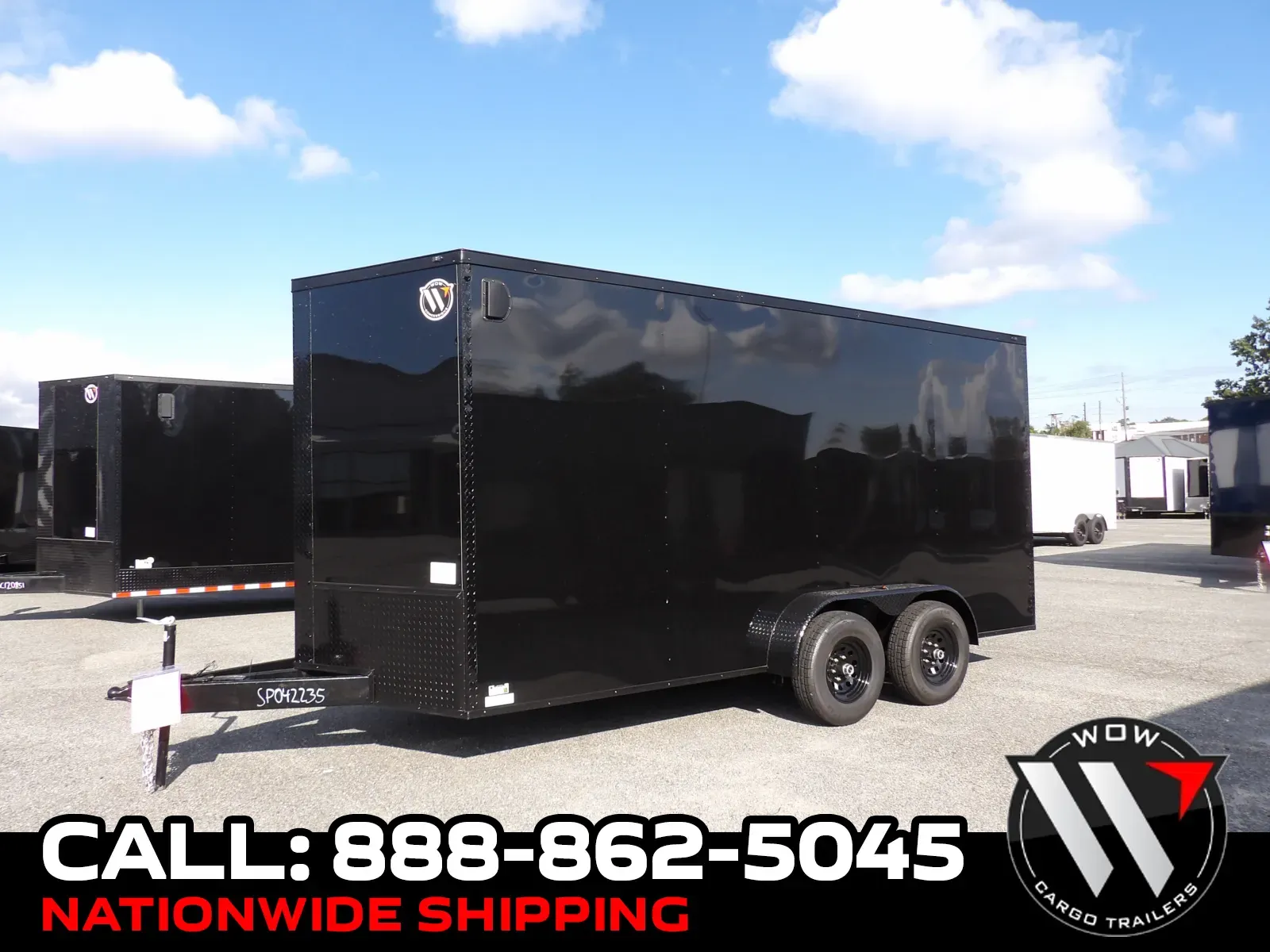
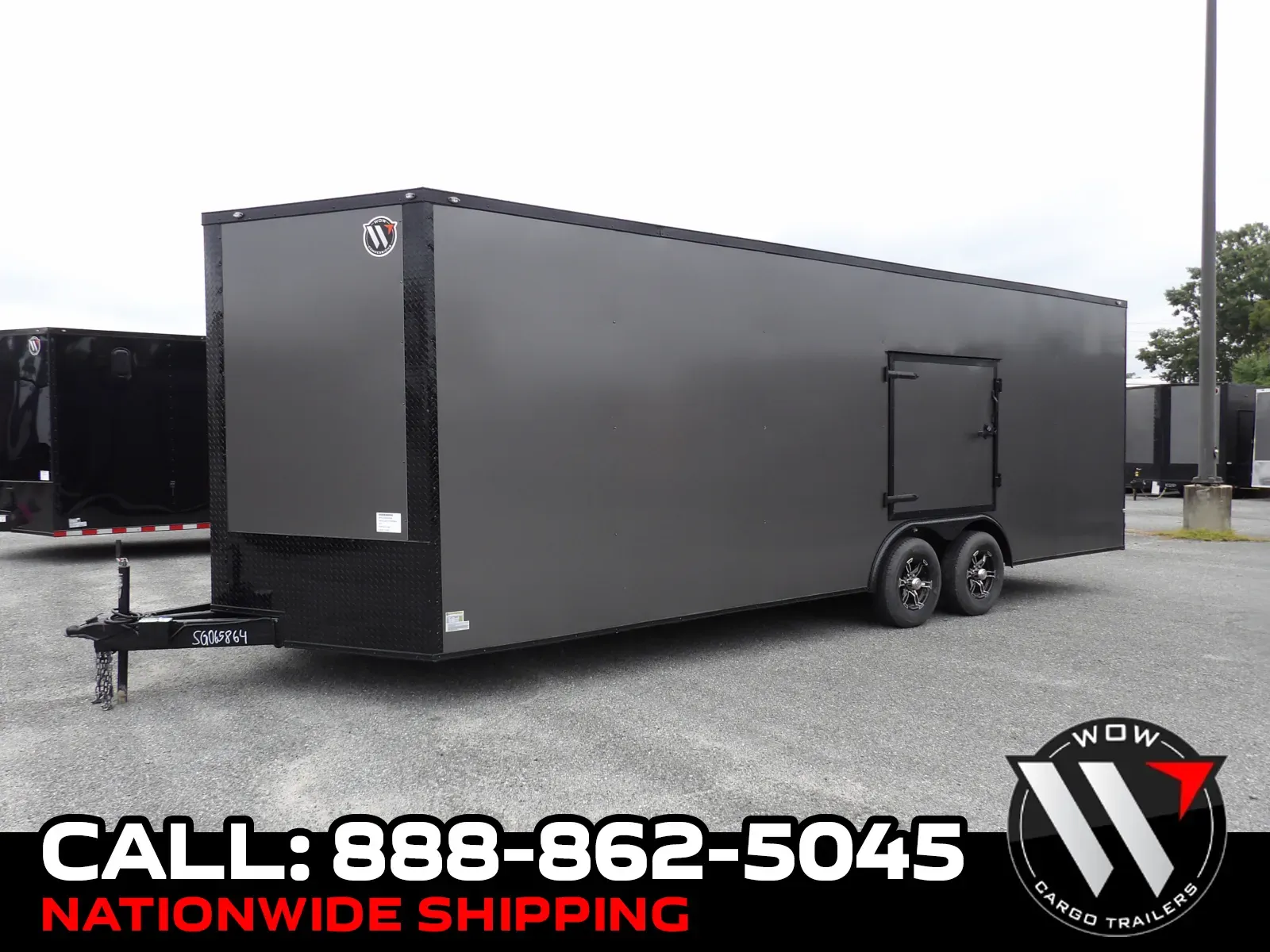
Quick example: A 7x14 enclosed cargo trailer has a typical dry weight of 1,800–2,200 lbs and a GVWR of 7,000 lbs — giving a maximum cargo payload of approximately 4,800–5,200 lbs. A tow vehicle rated at 9,500 lbs handles this safely at full load; a 5,000-lb-rated vehicle does not — the loaded trailer exceeds a safe match on Wake County's high-speed corridors.
Hitch Class Guide: Which Class Do You Need?
Class I (up to 2,000 lbs GTW / 200 lbs tongue weight): Found on compact cars and small crossovers. Suitable only for very light personal utility trailers — not appropriate for any enclosed cargo trailer in professional use across the Raleigh and Triangle market.
Class II (up to 3,500 lbs GTW / 350 lbs tongue weight): Found on mid-size SUVs and minivans. Handles light 5x8 or small 6x10 cargo trailers at moderate personal loads. Suitable for occasional homeowner hauling in Morrisville, Knightdale, and Chapel Hill — not appropriate for the daily demands of professional contractors or mobile businesses.
Class III (up to 8,000 lbs GTW / 800 lbs tongue weight): The most common hitch class for professional cargo trailer use across the Triangle. Found on half-ton trucks and full-size SUVs with standard towing packages. Handles 6x12, 7x14, and most 7x16 enclosed cargo trailers at moderate professional loads. The standard choice for contractors, landscapers, and mobile businesses running daily routes across Cary, Garner, Apex, Morrisville, Wake Forest, Knightdale, Durham, and Chapel Hill.
Class IV (up to 10,000 lbs GTW / 1,000 lbs tongue weight): Found on properly equipped half-ton and three-quarter-ton trucks. Handles loaded 7x16 cargo trailers and larger enclosed units approaching GVWR. Recommended for multi-crew contractors running fully loaded trailers across the Triangle — particularly those making regular runs on I-40 between Raleigh, Durham, and Chapel Hill and on I-540 between Wake Forest, Knightdale, Cary, and Apex.
Class V (up to 18,000+ lbs GTW depending on configuration): Found on heavy-duty three-quarter-ton and one-ton trucks. Used for the heaviest enclosed haulers, equipment trailers, and specialty configurations. Common among larger construction and logistics operators serving Morrisville, North Raleigh, and the Research Triangle Park zone along I-40 and NC-54.
Towing Capacity by Popular Tow Vehicle
Always verify your specific vehicle's rating in the owner's manual — configurations significantly affect actual numbers.
- Ford F-150: 7,700–13,000 lbs depending on engine and towing package
- Chevy Silverado 1500: 7,200–12,500 lbs depending on engine and configuration
- Ram 1500: 7,680–12,750 lbs depending on engine and configuration
- Ford F-250 Super Duty: Up to 20,000 lbs with proper configuration
- Toyota Tundra: Up to 12,000 lbs depending on engine and package
- Chevy Equinox / Ford Escape class: Typically 1,500–3,500 lbs — Class I or II use only
North Carolina Towing Rules to Know
North Carolina law requires trailers with a GVWR over 4,000 lbs to have functioning brakes. All trailers must display proper lighting and reflectors. North Carolina requires all trailers to be registered and titled through the NCDMV. A safety chain connection between trailer and tow vehicle is required on all classes under North Carolina law.
For Raleigh-area buyers hauling regularly on I-40, I-440, I-540, and US-1, brake compliance is critical — NCDOT enforcement is active on all major Wake County corridors. Operators running between Garner, Knightdale, Wake Forest, and Cary on I-540, or between Raleigh, Durham, and Chapel Hill on I-40, should ensure full brake and lighting compliance before every haul.
Match Your Trailer and Hitch at WOW Cargo Trailers
WOW Cargo Trailers serves buyers across the Raleigh metro — from Cary, Garner, Apex, Morrisville, Wake Forest, and Knightdale to Durham and Chapel Hill. Our team helps you match the right trailer to your tow vehicle so every haul across the Triangle's busy corridors is safe, legal, and productive.
How does WOW Cargo Trailers handle nationwide delivery?
WOW Cargo Trailers offers seamless door-to-door shipping across all 50 states in the USA. We partner with insured, professional carriers to ensure your unit arrives in pristine condition.
- Professional Driver Delivery: Direct-to-door service by expert drivers.
- Trailered Delivery: Transport on a hauler for specific heavy-duty or long-distance needs.
- Tracking: Real-time updates provided from dispatch to arrival.
What types of cargo trailers can be shipped nationwide through WOW Cargo Trailers?
WOW Cargo Trailers offers nationwide delivery on a wide selection of trailer types, including:
- Enclosed cargo trailers (single and tandem axle)
- Open utility trailers
- Dump trailers
- Car haulers
- Gooseneck and bumper-pull configurations
Whether you need a 5x8 enclosed trailer for personal use or a 102-inch wide commercial trailer for your business fleet, nationwide delivery is available across all inventory conditions, both new and in-stock units.
How far in advance should I order a cargo trailer for nationwide delivery?
You should place your nationwide cargo trailer delivery order at least 7 to 14 business days before your intended need date to allow for processing, inspection, and logistics scheduling. High-demand seasons, such as spring and summer, may extend lead times. Ordering early also gives you the best chance to select from WOW Cargo Trailers' full in-stock inventory before units sell.
What are the benefits of buying a cargo trailer online with nationwide delivery from WOW Cargo Trailers?
Buying a cargo trailer online with nationwide delivery from WOW Cargo Trailers eliminates the need to travel hundreds of miles to pick up your unit. Key benefits include:
- Access to a larger, more diverse trailer inventory than local dealers
- Competitive pricing with transparent delivery fees
- Doorstep delivery to your home, warehouse, or worksite
- Secure digital transaction with full title and paperwork support
- Convenience of browsing, financing, and purchasing from any device
How does WOW Cargo Trailers inspect cargo trailers before nationwide delivery?
Every cargo trailer shipped nationwide through WOW Cargo Trailers undergoes a pre-delivery inspection that covers structural integrity, lighting and electrical systems, axle and tire condition, floor quality, and door hardware functionality. This multi-point inspection ensures your trailer meets road safety standards and arrives ready for immediate use. Documentation of the inspection is included with your delivery paperwork.
What should I do when my cargo trailer is delivered nationwide to verify its condition?
When your cargo trailer arrives, you should complete a delivery walkthrough by inspecting the following:
- Exterior panels and welds for transit damage
- All lights, brake connections, and coupler function
- Floor boards, roof seams, and door alignment
- Tire pressure and lug nut torque
If any damage is found during delivery, document it immediately with photos and notify WOW Cargo Trailers within 24 hours of receipt to initiate a resolution through the shipping carrier's claim process.
Does WOW Cargo Trailers offer service support after a nationwide cargo trailer delivery?
Yes. WOW Cargo Trailers provides post-delivery service support to help customers get the most from their new trailer. After your nationwide delivery, the WOW service team can assist with warranty registration, manufacturer recall notifications, routine maintenance guidance, and referrals to certified trailer service centers near your location. Most new cargo trailers include a manufacturer structural warranty ranging from 1 to 3 years.
How does financing work for nationwide cargo trailer delivery at WOW Cargo Trailers?
Financing a cargo trailer for nationwide delivery at WOW Cargo Trailers works entirely online through a simple pre-approval process. You can apply directly through the WOW Cargo Trailers website, receive a credit decision in as little as 24 hours, and lock in your unit before it ships. Financing terms typically range from 24 to 84 months, with rates varying based on credit profile, trailer value, and down payment amount.
What credit score do I need to finance a cargo trailer with nationwide delivery?
Most lenders working with cargo trailer dealerships like WOW Cargo Trailers accept applicants with credit scores starting at 580 for standard financing. Buyers with scores of 680 or above typically qualify for the most competitive interest rates and longer loan terms. If your credit score is lower, a larger down payment of 10 to 20 percent can significantly improve your approval odds and monthly payment terms.
Are there any extra fees associated with nationwide cargo trailer delivery financing?
When financing a nationwide cargo trailer delivery, buyers should expect potential additional costs beyond the trailer's base price, including:
- Delivery and transport fees (typically $150 to $600+, depending on distance)
- Title and registration transfer fees (vary by state)
- Dealer documentation fees
- Gap insurance or extended warranty options (optional but recommended)
WOW Cargo Trailers provides a full itemized breakdown of all costs before you sign, so there are no surprises at checkout.